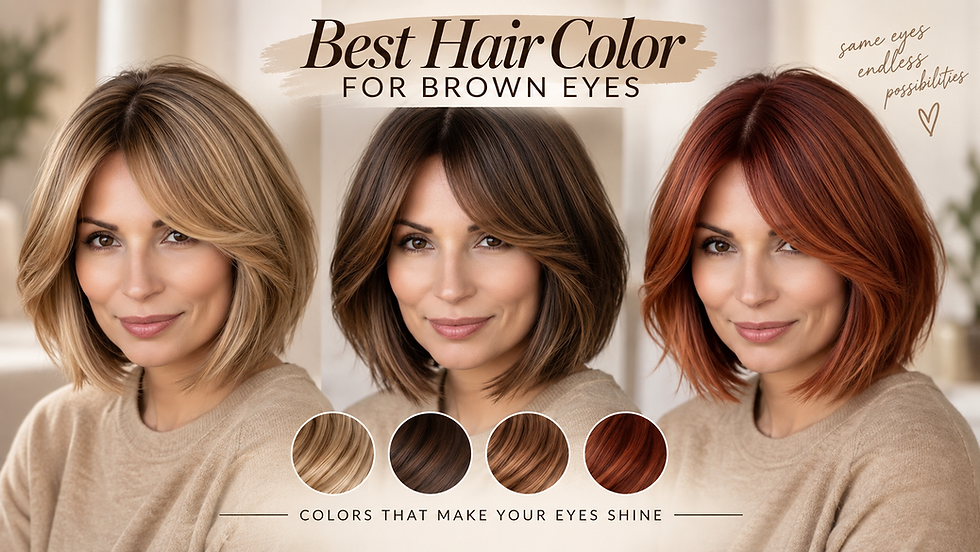
Which Hair Highlights Would Look Best on You? 10 Gorgeous Ideas to Refresh Your Look

Thinking about refreshing your hair color without completely changing your natural shade? Highlights might be exactly what you're looking for! From soft caramel ribbons and golden blonde accents to cool ash tones and bold face-framing pieces, the right highlights can add dimension, brightness, and a beautiful new twist to your hairstyle.
But with so many colors and techniques available, how do you know which highlights will suit you best?
Whether you're a brunette looking for subtle warmth, a blonde wanting more dimension, or someone ready for a noticeable transformation, we've rounded up 10 gorgeous hair highlight ideas to inspire your next look. Plus, discover how to choose the right technique, find flattering shades, and preview different highlight colors with HairLook before visiting the salon.
1. Caramel Highlights

Caramel highlights are a beautiful choice for adding warmth and dimension to brown hair. These golden-brown tones create a soft contrast against darker bases, giving the hair a rich, luminous appearance.
You can choose delicate caramel strands for a subtle effect or more noticeable ribbons throughout the lengths for extra brightness. Caramel highlights look particularly beautiful on chocolate and dark brown hair.
Best for: Brunettes who want a warm, dimensional look without going significantly lighter.
2. Honey Blonde Highlights

Honey blonde highlights bring a golden, sun-kissed finish to the hair. Their warm undertones create brightness while maintaining a soft, natural-looking effect.
This shade works beautifully with light brown, medium brown, and darker blonde bases. For a blended result, ask your colorist to incorporate different honey and golden tones rather than using one uniform shade.
Best for: Women who love warm, luminous blonde tones and soft dimension.
3. Babylights
Babylights are ultra-fine highlights designed to mimic the delicate brightness of naturally sun-lightened hair. Applied in very small sections, they create subtle dimension rather than noticeable streaks.
They are especially beautiful when concentrated around the hairline and crown, where they can brighten the overall appearance without dramatically changing the base color.
Best for: Anyone who prefers delicate, natural-looking highlights with a soft blend.
4. Balayage Highlights
Balayage is a freehand highlighting technique in which color is painted onto selected sections of hair. It typically creates a gradual transition from darker roots to lighter mid-lengths and ends.
The result can look beautifully blended and sun-kissed, with brightness concentrated where it enhances the haircut. You can choose warm caramel, beige blonde, honey, or cooler tones depending on your natural hair color.
Best for: Women who want blended highlights and a softer-looking regrowth pattern.
5. Face-Framing Highlights (Money Piece)
Want to brighten your look without highlighting your entire head? Face-framing highlights, often called money pieces, add lighter sections around the front of the hair.
They can be subtle and blended or bold and high-contrast. Blonde money pieces create a noticeable brightness, while caramel or honey tones offer a softer effect on brunette hair.
Best for: Anyone looking to brighten the front of their hairstyle and create a noticeable color update.
6. Ash Blonde Highlights
Ash blonde highlights feature cool, muted undertones that can create an elegant contrast against darker hair. They are a popular option for women who prefer cooler hair colors rather than golden or honey shades.
On brown hair, ash blonde highlights can create a sophisticated, smoky effect. On blonde bases, they add cool dimension and help achieve a more muted overall appearance.
Best for: Those who prefer cool-toned hair color and understated contrast.
7. Copper Highlights
Copper highlights introduce warm, vibrant tones inspired by reddish-orange and golden copper shades. They can add richness to brunette hair and create beautiful dimension when the light catches different sections.
For a subtle effect, choose soft copper or cinnamon tones. If you want something more noticeable, brighter copper ribbons can create a bolder transformation.
Best for: Brunettes and redheads who want warmth, vibrancy, and a little more personality in their hair color.
8. Chocolate Brown Highlights
Chocolate brown highlights add depth and dimension while keeping the overall hair color rich and natural-looking.
Rather than creating a dramatic contrast, these highlights introduce slightly lighter brown tones throughout the hair. They work particularly well on dark brown or black hair when you want a refined color change.
Best for: Women who prefer subtle dimension without going blonde.
9. Chunky Highlights
Ready for a more noticeable transformation? Chunky highlights feature thicker, more defined sections of lighter color that create contrast against the natural base.
This technique can be customized with blonde, caramel, copper, or even fashion colors. You can also combine it with face-framing pieces for a more contemporary look.
Best for: Anyone who loves bold color contrast and wants their highlights to stand out.
10. Platinum Blonde Highlights
Platinum blonde highlights create a bright, high-impact finish. Their very light, cool appearance can make a striking contrast against darker natural hair colors or add brightness to an existing blonde base.
Achieving platinum tones, particularly from dark hair, may require multiple salon sessions. Your starting color, previous treatments, and hair condition will determine the safest approach.
Best for: Women who love bright, cool blonde shades and are comfortable with more involved color maintenance.
How to Choose the Right Highlights for Your Natural Hair Color
The best highlight shade depends on your natural base color, desired contrast, and the overall effect you want. Here are some combinations to consider.

Highlights for Dark Brown and Black Hair
Dark hair can look beautiful with both subtle and contrasting highlights. Caramel, chocolate, chestnut, cinnamon, and honey tones add warmth and dimension without necessarily requiring a dramatic blonde transformation.
If you prefer a cooler result, consider ash brown or beige-brown highlights. For a more noticeable change, ask your colorist about strategically placed blonde sections.
Highlights for Medium and Light Brown Hair
Medium and light brown hair offer plenty of flexibility. Honey blonde, caramel, beige blonde, toffee, and golden brown highlights can create a soft, multidimensional effect.
Balayage and babylights are particularly attractive options if you prefer a blended finish.
Highlights for Blonde Hair
If your hair is already blonde, highlights can add dimension and make your color look more customized.
Consider platinum, champagne, beige blonde, honey, or ash blonde tones. Adding slightly darker pieces, known as lowlights, can also create contrast and depth.
Highlights for Red and Copper Hair
Red and copper bases can be enhanced with lighter copper, strawberry blonde, golden blonde, and warm caramel accents.
The goal is to choose tones that complement your existing color rather than overwhelm it.
How to Choose Highlights That Complement Your Skin Tone
Your skin's undertone can help guide your highlight color selection, although it shouldn't be the only factor. Your natural hair color, personal preferences, and desired contrast matter too.
Warm undertones: Golden blonde, honey, caramel, and copper highlights can complement warm undertones beautifully.
Cool undertones: Ash blonde, beige, cool brown, and champagne shades may create a harmonious effect.
Neutral undertones: You have more flexibility to experiment with warm and cool highlight shades, depending on the look you prefer.
Remember, these are starting points rather than strict rules. The best way to choose a shade is to compare different tones against your own features and discuss the options with your colorist.
Highlights vs. Balayage vs. Babylights: What's the Difference?

These terms are often used interchangeably, but they describe different highlighting approaches. Understanding the differences can help you explain exactly what you want at your next salon appointment.
Traditional Foil Highlights
Traditional highlights involve sectioning the hair and applying lightener or color to selected strands, which are then wrapped in foils.
They can create noticeable brightness throughout the hair, from the roots to the ends. The placement and thickness of the sections determine whether the result looks subtle or high-contrast.
Balayage
Balayage is a freehand painting technique. Color is strategically applied to create a softer transition, often with more brightness through the mid-lengths and ends.
Because the roots can remain closer to their natural color, regrowth may look less noticeable than with traditional root-to-end highlights.
Babylights
Babylights are extremely fine highlights applied in small sections. They create delicate dimension and a naturally blended appearance.
Unlike thicker traditional highlights, babylights are designed to give the impression of subtle, natural brightness.
Quick Comparison
Technique | Overall appearance | Typical maintenance |
Traditional highlights | Defined brightness throughout | More frequent root touch-ups |
Balayage | Soft, blended, sun-kissed effect | Often lower maintenance |
Babylights | Very fine, delicate dimension | Depends on placement and contrast |
Your colorist can also combine techniques, such as balayage with babylights or traditional foils with face-framing highlights, to create a customized result.
Full Highlights vs. Partial Highlights: Which Should You Choose?

Another important decision is how much of your hair you want to highlight.
Full highlights involve adding lighter sections throughout the head. They create an overall brighter appearance and can produce a more noticeable transformation.
Partial highlights focus on selected areas, such as the top layers, crown, parting, or sections around the face. They are a good option if you want to refresh your hair color without changing every section.
If you're new to highlights, partial placement can be a way to experiment with brightness before committing to a more extensive color service.
How to Maintain Your Highlights and Keep Them Looking Beautiful
Highlights can look gorgeous when freshly done, but maintaining their appearance requires a little attention. Your maintenance routine will depend on the highlighting technique, shade, hair condition, and how quickly your roots grow.
Here are some practical tips:
1. Use products for color-treated hair. Choose a shampoo and conditioner suited to your hair's needs to help maintain softness and manageability.
2. Keep your hair hydrated. Lightening can leave hair feeling drier, so incorporate conditioning treatments or hair masks into your routine.
3. Protect your hair from heat. Excessive heat styling can contribute to dryness and breakage. Use a heat protectant and avoid unnecessarily high temperatures.
4. Prevent unwanted brassiness. Blonde highlights may develop warmer or more yellow tones over time. Ask your colorist whether a purple or blue toning product is appropriate for your particular shade.
5. Plan your salon refreshes. Traditional highlights may show regrowth sooner, while balayage often offers a softer grow-out. Your stylist can recommend a refresh schedule based on your color and preferences.
6. Be mindful of overlapping chemical treatments. If your hair has been previously colored, bleached, or chemically treated, tell your stylist before lightening it again. This helps them assess your hair's condition and choose an appropriate approach.
Try Different Hair Highlights Virtually with HairLook
Not sure whether caramel, honey blonde, ash brown, or copper highlights would look best on you? Before committing to a salon appointment, explore different possibilities with the HairLook app.
HairLook app lets you upload your own photo and experiment with different hair colors, highlights, and color combinations. You can also use a hairstyle inspiration photo from Pinterest to explore a look you love.
Here's how to get started:
Upload your photo: Choose a clear picture of yourself to use for your virtual hair transformation.
Explore highlight colors: Experiment with caramel, blonde, copper, chocolate, and other shades.
Compare different looks: Try subtle highlights, brighter pieces, and different color combinations to see which styles you prefer.
Save your favorites: Keep your favorite previews as inspiration to discuss with your hairstylist.
A virtual preview is a helpful way to explore color possibilities, although it cannot guarantee the exact result of a professional coloring service.
Frequently Asked Questions About Hair Highlights
Which highlights look the most natural?
Babylights and softly blended balayage are popular choices for a natural-looking result. Their fine sections or gradual transitions create subtle dimension without strong, defined streaks.
What highlights look best on dark brown hair?
Caramel, chocolate, chestnut, cinnamon, honey, and ash brown are beautiful options for dark brown hair. The best shade depends on whether you prefer warm, neutral, or cool tones and how much contrast you want.
Are highlights better than balayage?
Neither technique is universally better. Traditional highlights can create more consistent brightness from the roots, while balayage is often chosen for a softer, blended effect. Your preferred result and maintenance routine should guide your decision.
Do highlights damage your hair?
Highlighting often involves lightening the hair, which can affect its condition. The extent of the change depends on the starting color, lightening process, previous treatments, and hair condition. A professional consultation can help determine what your hair can reasonably achieve.
How often should I refresh my highlights?
It depends on the technique, placement, and how noticeable you want your regrowth to be. Traditional highlights may require more frequent root maintenance, while balayage can often grow out more softly. Your colorist can recommend a schedule for your particular look.
Can I get highlights without bleaching my hair?
Some color services can add tonal dimension without using bleach, but achieving a significantly lighter result generally requires lightening. The best approach depends on your starting color and desired result.
Can I try highlights before going to the salon?
Yes! With HairLook app, you can preview different hair colors and highlight ideas on your own photo. This can help you compare shades and communicate your preferred result to your hairstylist.
Find Your Perfect Highlight Look with HairLook
The right highlights can completely refresh your hairstyle, adding brightness, depth, and dimension without changing your entire hair color.
Whether you love subtle babylights, warm caramel ribbons, blended balayage, or bold platinum accents, the best choice is the one that complements your natural hair color, fits your lifestyle, and makes you feel confident.
Ready to discover your next hair transformation? Open HairLook, upload your photo, and experiment with different highlight shades and styles. Compare your favorite looks, save your inspiration, and bring your virtual preview to your next salon appointment.
Your next hair color idea could be just one try-on away!