

Trying Short Hairstyles? How to Find Your Perfect Look for Your Face Shape
- HairLook Editorial

- Apr 30
- 4 min read
Thinking about cutting your hair short? It’s exciting, but also risky. A short haircut can completely transform your look, but if it doesn’t suit your face shape or hair type, it can feel like a mistake you’re stuck with.
The good news is that you don’t have to guess anymore. With the right approach, you can figure out exactly which short hairstyle will work for you before you make the cut.
Why Short Hairstyles Feel So Different
Short hair isn’t just “long hair, but shorter.” It changes everything: your proportions, your volume, and even how your features stand out.
With less length to balance things out:
Your face shape becomes more visible
Volume placement becomes much more important
The wrong cut can feel too flat, too round, or too sharp
That’s why the same haircut can look amazing on one person and completely off on another.
The Smart Way: Try Before You Cut
One of the biggest mistakes people make is choosing a haircut based on inspiration photos alone. The lighting, angles, and styling in those photos don’t reflect real life.
Instead, test different looks on yourself first.
When you preview short hairstyles using tools like HairLook ideas or even simple styling tricks, you can experiment with:
Different lengths such as chin-length, jaw-length, or pixie
Volume from sleek to layered
Texture like straight, wavy, or messy
Even color variations
This gives you clarity and confidence so you’re not going in blind.
The Best Short Hairstyles to Try First
If you’re unsure where to start, these styles are known for working on a wide range of face shapes:
1. Textured Bob
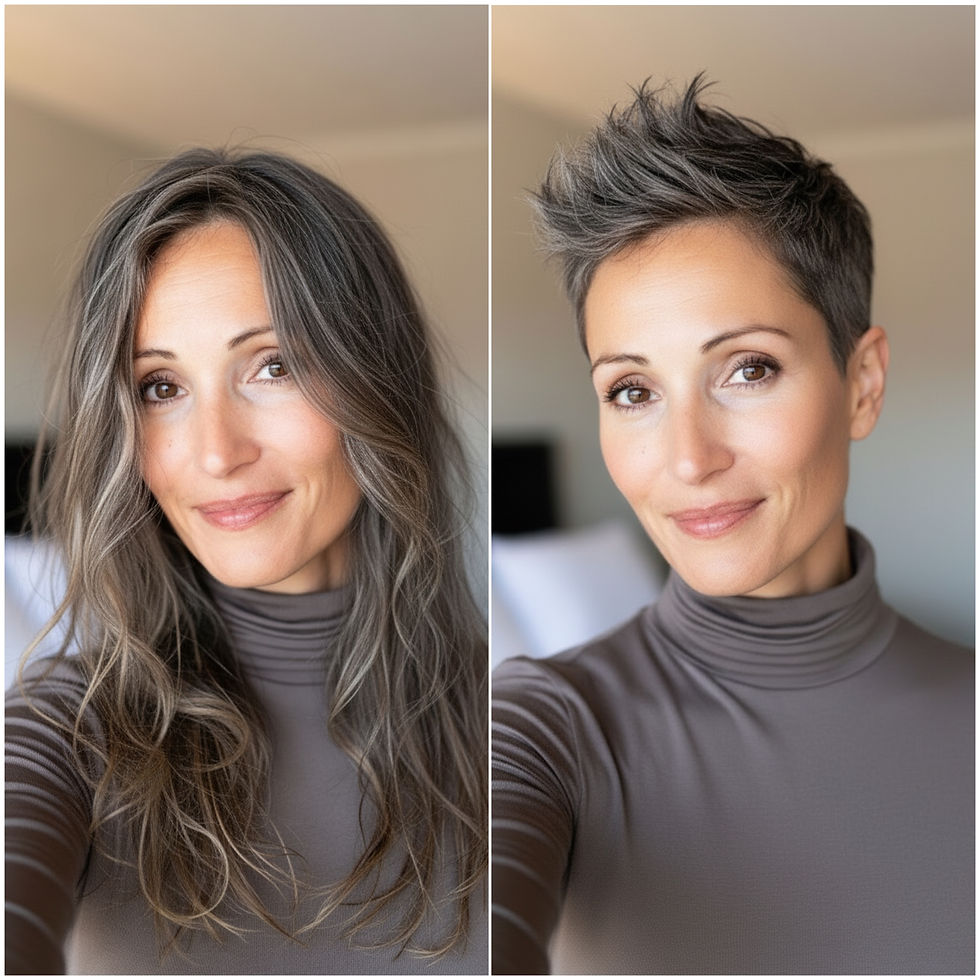
If you have long, thin hair, a modern textured pixie can make a big difference. Removing excess length instantly makes the hair appear fuller, while soft layers add movement and natural volume. Instead of hair falling flat and lifeless, this cut creates shape and lift, giving the illusion of thicker, more dimensional hair.
2. Curly Pixie

Don’t limit yourself to just straight styles. Try adding waves or curls to both long and short haircuts to see how much texture can change your overall look. Even if your hair isn’t naturally curly, you can use the haircut feature to test curly styles on your own hair and discover what suits you best.
3. Long Pixie Cut

If you have long, thin hair, a long pixie cut can help create the illusion of fuller, thicker hair. By removing excess length, it prevents the hair from looking flat or weighed down, while the slightly longer layers on top add softness and movement. It’s a great option if you want volume and shape without going too short.
4. Layered Short Cut

Adds volume and shape, making it ideal if your hair tends to look flat. It’s also a great opportunity to experiment with different hair colors, from soft blonde or brown balayage to bolder shades like pink, so you can see what suits you before committing.
5. Sleek Short Bob

Polished and clean, the sleek short bob features sharp lines and a smooth finish. It’s ideal if you prefer a structured, put-together look, and can be customized with different partings or subtle balayage for added dimension.
How to Choose Based on Your Face Shape
This is where most people go wrong, but it’s also the easiest way to get it right.
Round face: go for volume on top and avoid too much width at the sides
Oval face: most styles work, so experiment freely
Square face: softer layers and waves help balance angles
Heart-shaped face: keep some volume around the jaw to balance proportions
The goal is not to hide your face shape, but to create balance.
Don’t Forget Your Hair Type
Face shape matters, but your hair texture matters just as much.
Fine hair: needs layers for movement and volume
Thick hair: benefits from shaping and weight removal
Wavy or curly hair: works best with cuts that enhance natural texture
Straight hair: looks great with clean lines or subtle layers
Ignoring your hair type is one of the fastest ways to end up disappointed with a short cut.
The Biggest Mistake to Avoid
Choosing a haircut just because it looks good on someone else.
That photo you saved is styled, lit, and sometimes edited. What matters is how the cut works on your face, your hair, and your everyday routine.
Final Thoughts
Short hairstyles don’t have to feel like a gamble. When you take the time to explore, test, and understand what actually suits you, the result feels natural and right.
So before you make the cut, try a few options, compare how they look on you, and choose the one that truly fits your face and style.


